 Piano Notes

Practical notes on piano technique, practice habits and repertoire — written for my students, and for anyone learning piano.
Adagio — slow practice with a purpose
How to practise slowly without getting bored
Slow practice fails when it becomes waiting. Give every repetition one job and it starts to work.
Con carattere — style and personality
Four ways of playing in style
From styleless to the airless museum piece — and the version where what you know and who you are finally work together.
Urtext — going to the source
Go to the source: studying a composer's own works
A biography tells you about a life. The scores and the neighbouring pieces tell you about this bar.
Da capo — old music and new
Old music, new music, and the better question
The useful distinction is not old or new. It is good or forgettable — and that changes what you choose to play.
Con calma — the days before the concert
Arriving ready: the days before a performance
In the final week, rest, routine and mindset do more for your playing than one more hour at the keyboard.
Stretto — working against the clock
How to learn a piece when the clock is against you
Short preparation time does not have to mean shallow playing. It means deciding earlier and practising narrower.
Tremolo — nerves and the stage
Stage fright, and what your nerves are for
Nervousness is not a flaw in your character. It is a body getting ready to say something to someone.
Semplice — honesty over display
The courage to play it simply
The performances that convince are usually the most honest, not the most elaborate.
Cadenza — the student's own voice
Guidance, and the student's own voice
Every lesson is a running decision about when to step in and when to stay quiet.
Maestro — teacher and pupil
What makes a good piano teacher
Not the one who catches every wrong note — the one who is slowly making themselves unnecessary.
Diteggiatura — the art of fingering
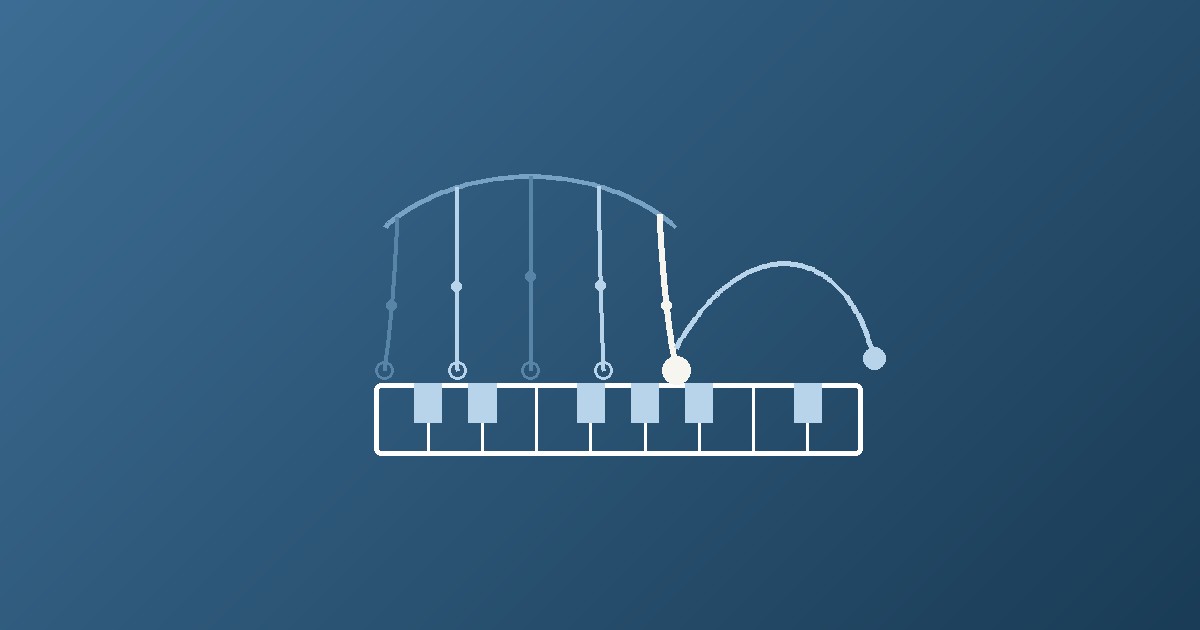
Fingering is an artistic decision
Not just what feels comfortable — the numbers you choose decide what the phrase can say.
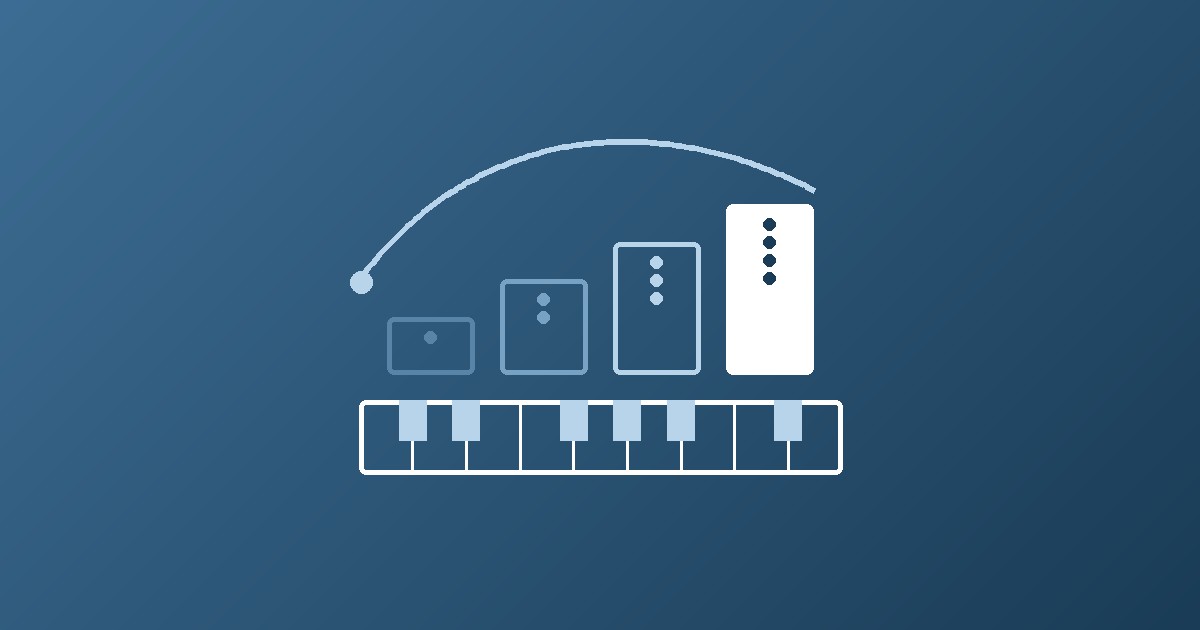
Esercizio — the elements of technique
The building blocks of piano technique
Scales, arpeggios, double notes and polyphony — four rooms in the same house, and what each one trains.
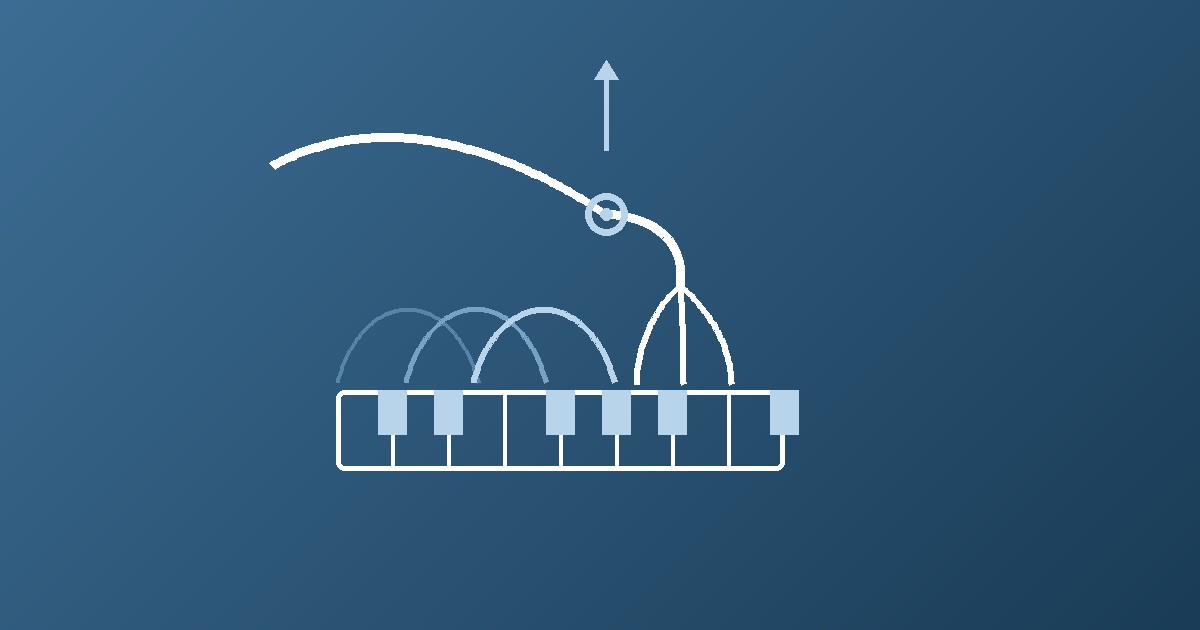
Morbido — softness and release
Reducing stiffness: freedom of movement at the piano
Tension is rarely a muscle problem — it is usually uncertainty or misdirected effort.
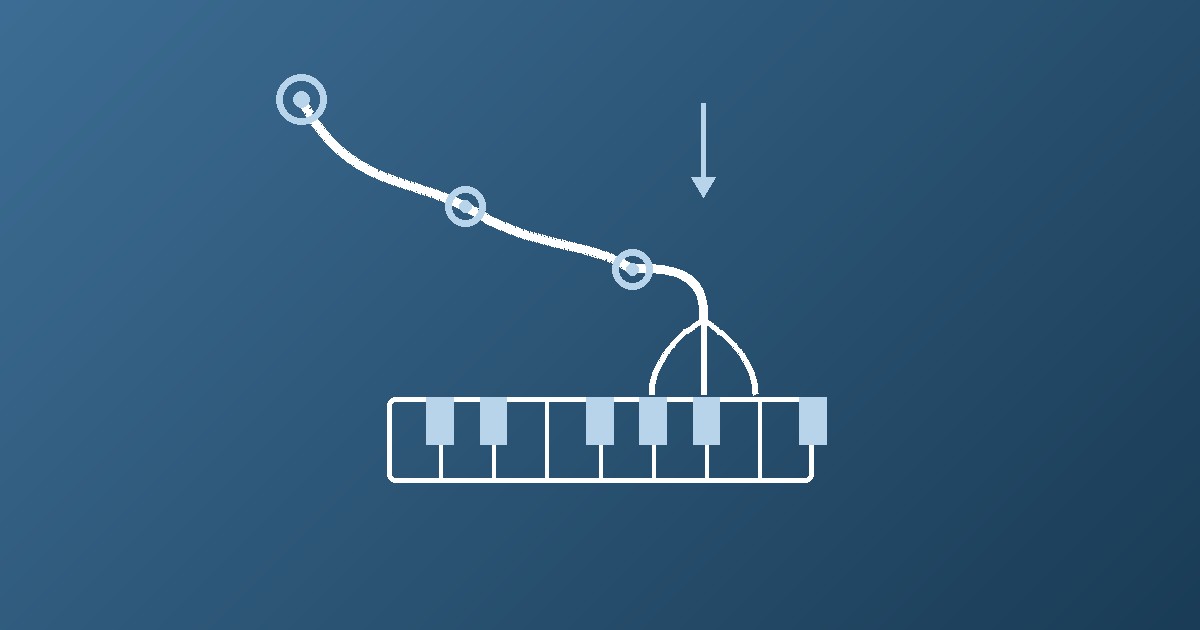
Peso — weight and the whole arm
Arm, wrist and fingers: understanding your playing mechanism
The fingers only finish the movement — the sound begins in the back, arm and wrist.
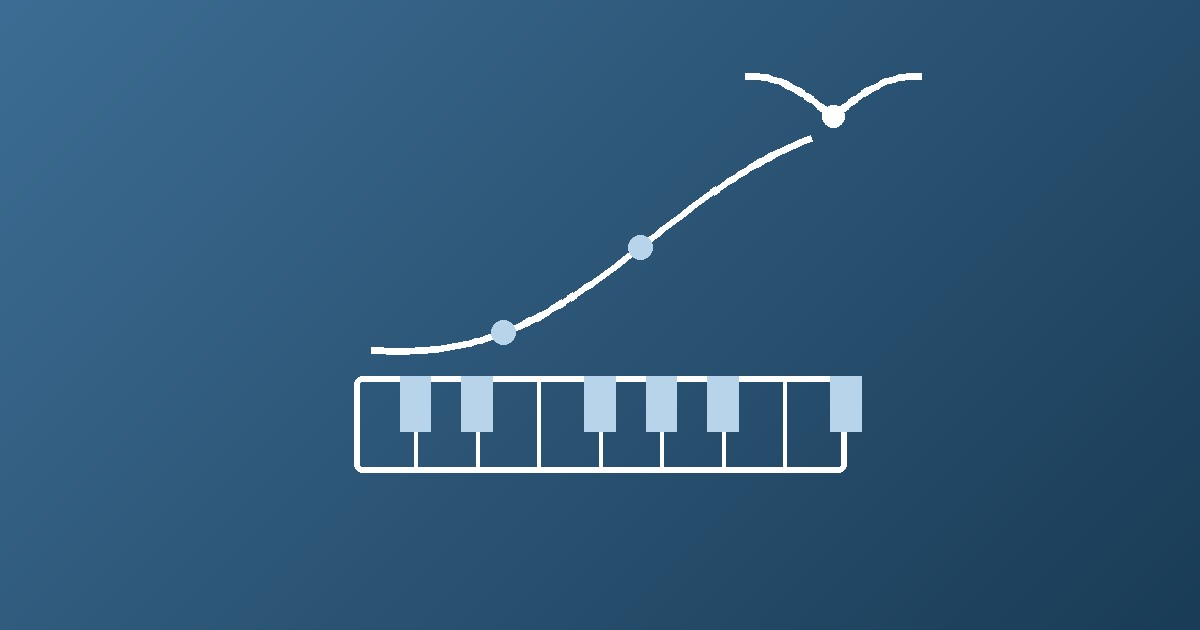
Sciolto — ease at the keyboard
Confidence as the basis of physical freedom at the keyboard
Stiff wrists usually begin as doubt — how certainty turns into physical ease.
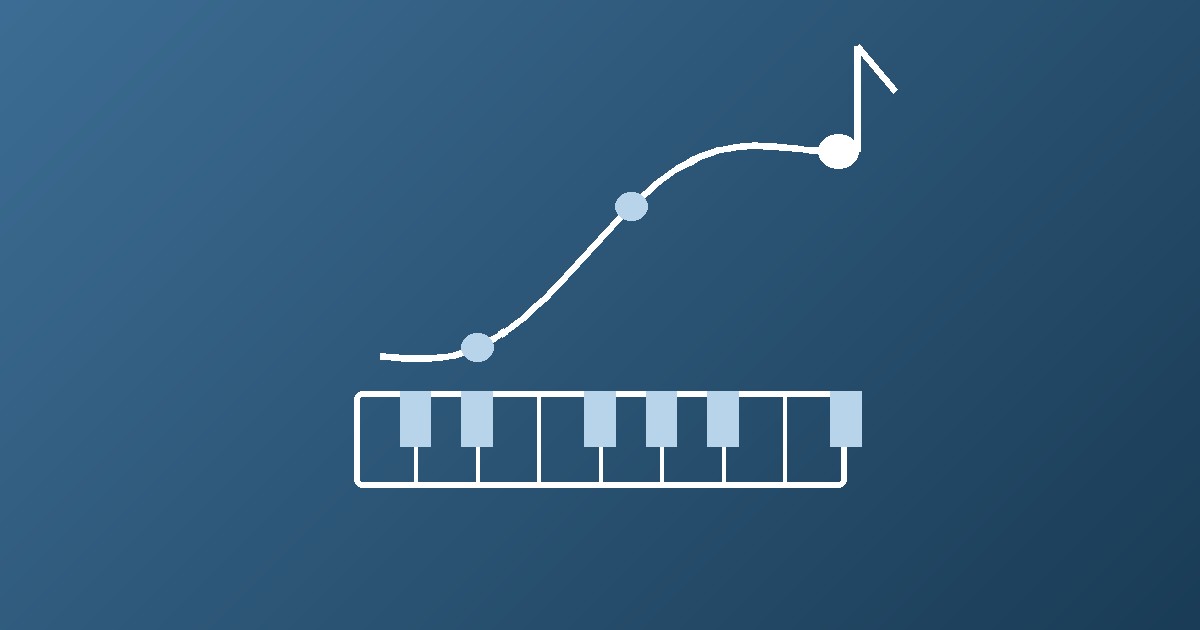
Cantabile — technique with purpose
Technique in service of musicality, not the other way around
Fast fingers are not the goal — every exercise should answer a musical question.

Sonorità — training the ear
Ear training exercises for a more beautiful tone
Beautiful tone starts in the ear, not the fingers — a few exercises I come back to.

Dinamica — from whisper to roar
Exploring the piano's full dynamic range
The gap between a printed forte and what your piano can really do is enormous.
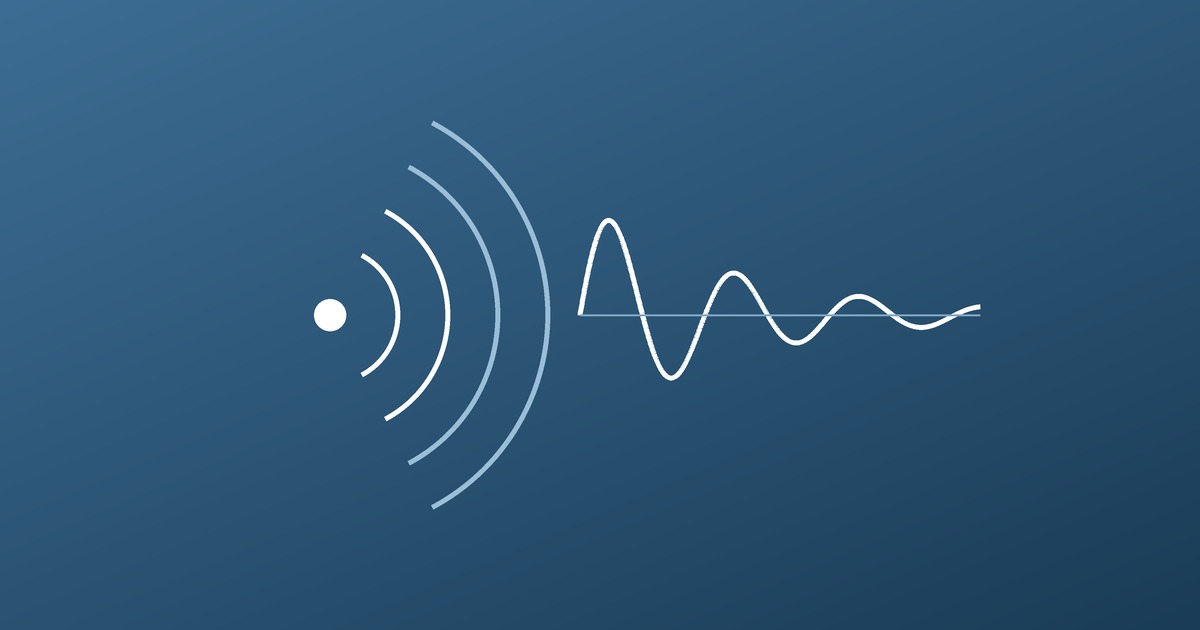
Cantabile — the singing tone
Why tone matters more than speed
Speed is the easiest thing to measure — and the least interesting thing to listen to.
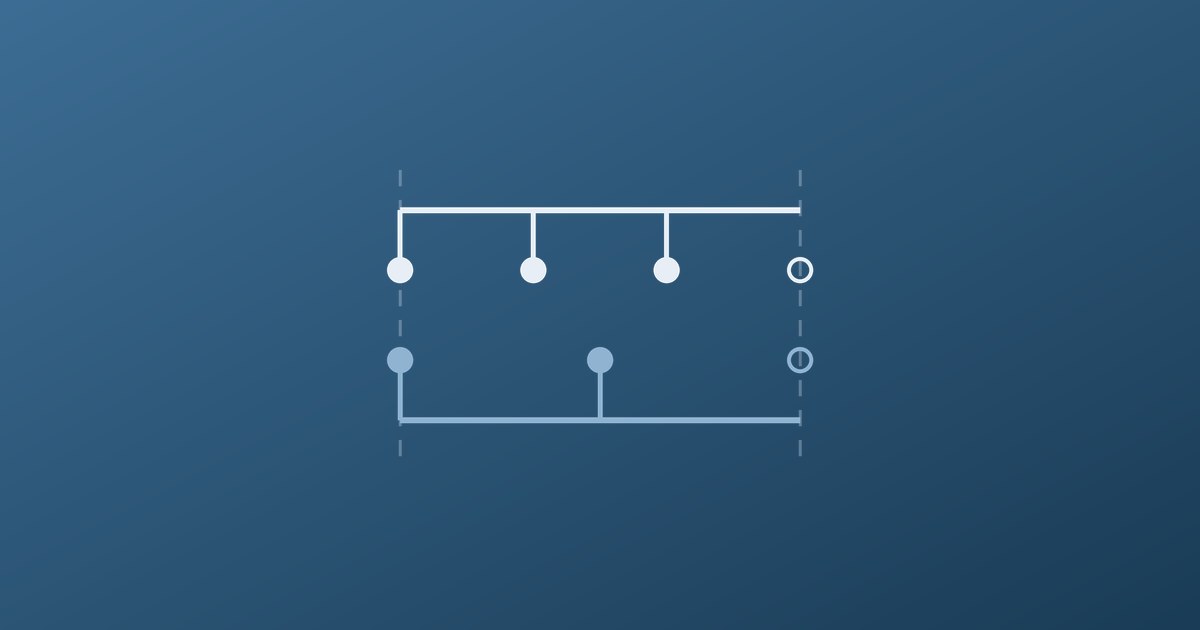
Due contro tre — two against three
A structured way to practice polyrhythms
Two against three isn't magic — it's a craft you can build step by step.
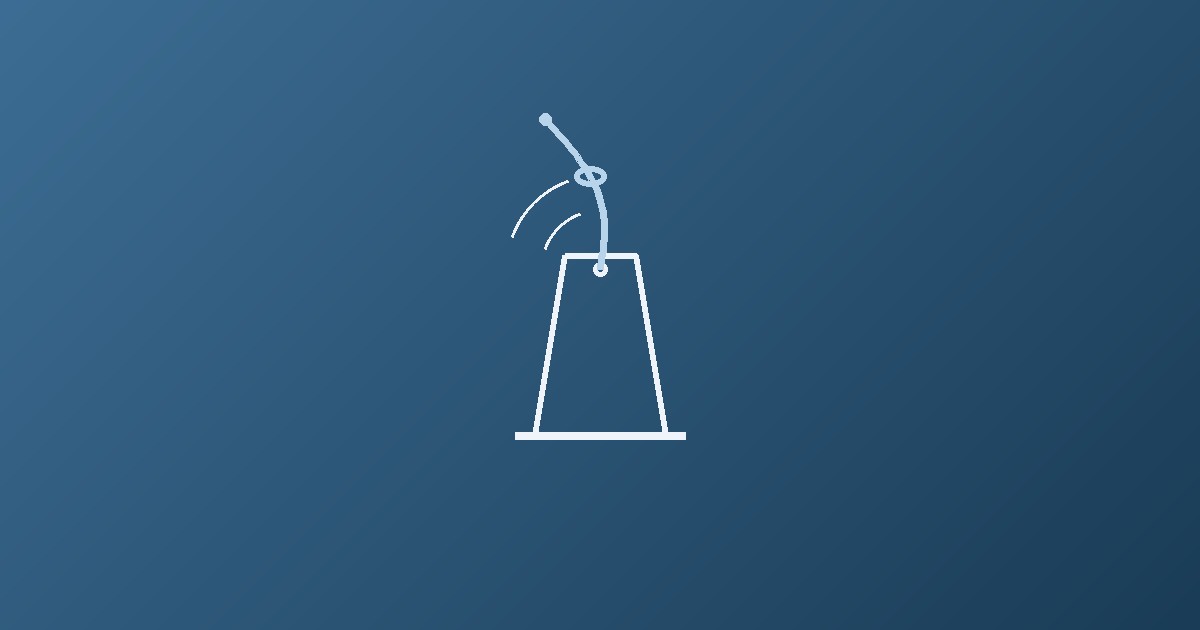
Tempo rubato — borrowed time
Rubato: expressive freedom without losing the pulse
Real rubato borrows time and pays it back — it isn't random slowing down.
Tempo giusto — the living pulse
What healthy rhythm really feels like
Rhythm isn't a metronome click. It's a living pulse — and learning to feel it changes everything.
Ascoltando — learning by ear
Learning from great pianists — without imitating them
A great recording is a teacher, not a template. What to actually listen for.

Affettuoso — beyond the notes
Beyond the notes: finding the artistic image
Technique is only the means. The artistic image — the emotional and poetic idea behind a piece — is the goal.
Legato — pedal technique
How to use the piano pedals
The sustain, una corda and sostenuto pedals, explained the way I teach them in Zurich.